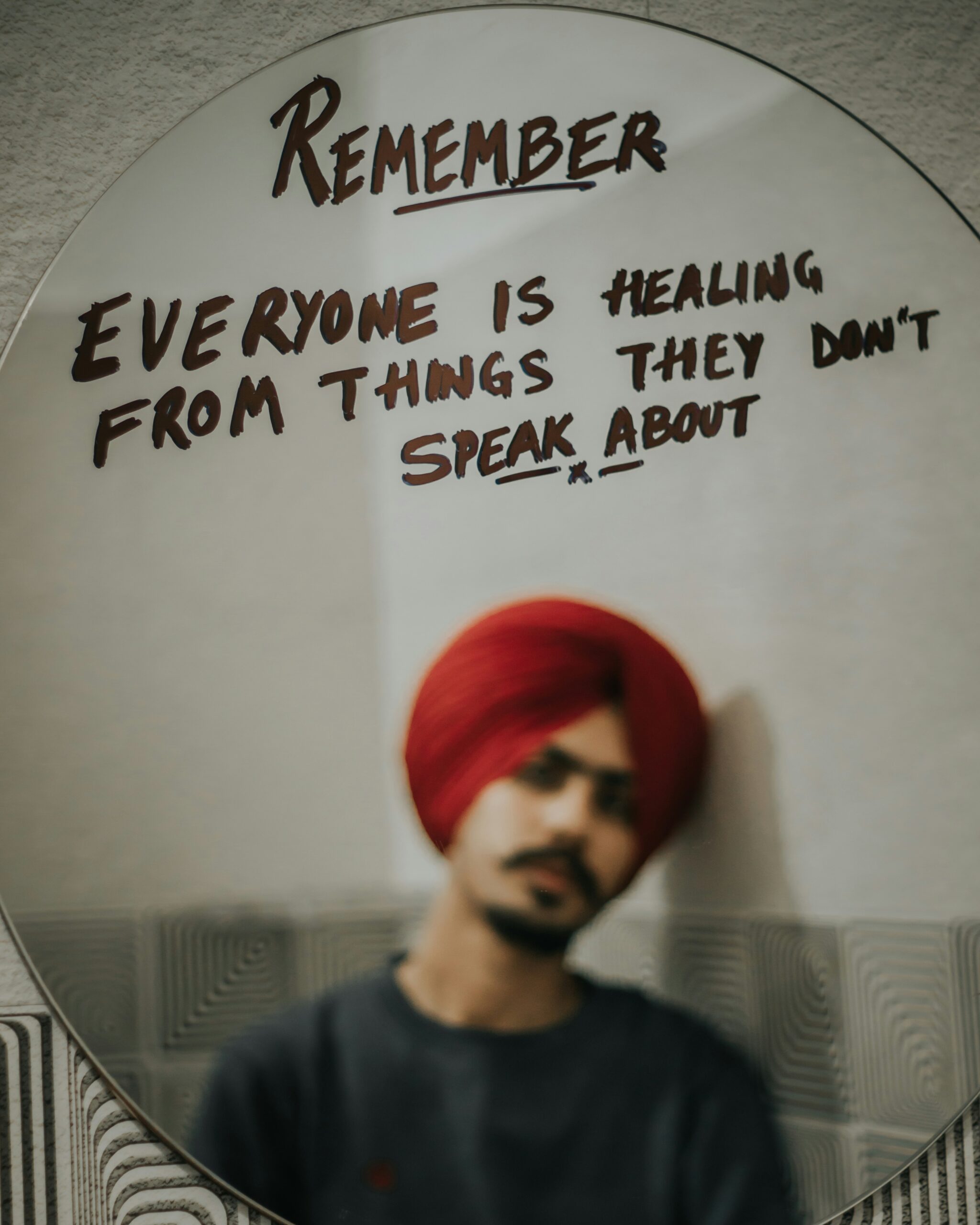
Understanding Trauma and Its Impact
Trauma is a complex psychological and emotional response to an event or series of events that overwhelms an individual’s ability to cope. It can arise from acute incidents, such as accidents or assaults, chronic situations, like ongoing abuse or neglect, and complex trauma, which results from repeated exposure to distressing experiences over time. Each type of trauma leaves a unique imprint on an individual, fundamentally shaping their emotional reality and influencing their behavior.
When individuals experience trauma, the effects can permeate various aspects of their lives. For instance, emotional consequences may include heightened anxiety, depression, or irritability, which can affect interpersonal relationships. Often, the individual may not even recognize these feelings as stemming from past experiences; rather, they may simply interpret their reactions as part of their personality. Such unprocessed trauma can silently dictate choices, leading to decisions that may initially seem independent but are heavily influenced by unresolved emotions.
Research has demonstrated the profound influence of trauma on decision-making processes. For example, a study published in the Journal of Traumatic Stress identified a correlation between unresolved trauma and risk-taking behavior. Individuals with a history of trauma may engage in impulsive actions as a way to gain a sense of control, yet these choices often lead to negative consequences. In relationships, trauma can manifest as trust issues or emotional withdrawal, which subsequently hampers the ability to build healthy connections or make sound choices regarding partners.
Trauma can even affect mental wellness by fostering a cycle of avoidance and denial. This cycle can manifest in various coping mechanisms, such as substance abuse or self-isolation, further entrenching the individual in a state of distress. Understanding and addressing trauma is vital, as it lays the groundwork for healing and informed decision-making, ultimately allowing individuals to regain agency over their lives.
Recognizing the Patterns
Many individuals are unaware that unaddressed trauma can significantly influence their decision-making processes. Recognizing the patterns resulting from unresolved trauma is the first step towards healing and transformation. One common manifestation is self-sabotaging behavior, which can take various forms. For instance, a person may subconsciously undermine their success in professional and personal realms due to deep-seated fears of inadequacy or rejection. This behavior often leads to missed opportunities or even the abrupt termination of relationships that could have otherwise flourished.
Another vital indicator of unprocessed trauma is the recurrence of negative patterns in relationships. Individuals may find themselves repeatedly drawn to partners who reflect past traumas, perpetuating a cycle of dysfunction. These patterns can become so ingrained that one may fail to recognize their unhealthy nature until a significant event causes a moment of clarity. Personal anecdotes often reveal that friends or family members notice these troublesome relationships before the individual becomes aware, underscoring the importance of external perspectives.
Feelings of dread or anxiety when approaching specific circumstances may also signify how past trauma affects decision-making. For example, someone may feel overwhelming trepidation when faced with situations reminiscent of a prior traumatic experience. This emotional response can lead to avoidance behaviors, which may hinder personal growth and compound feelings of isolation. Developing coping strategies, such as mindfulness techniques or journaling, can help individuals identify their emotional triggers and ultimately lead to healthier decision-making. Through increased awareness of these patterns, people can begin to untangle the complex interplay between their past experiences and present choices, paving the way for a more fulfilled life.
The Process of Healing
Healing from trauma is a multifaceted journey, emphasizing the need to acknowledge and address past experiences. This process begins with the recognition of trauma’s impact on one’s life decisions. It is essential to understand that healing is not linear, and individuals may encounter setbacks along the way. The first step towards recovery often involves a willingness to confront and validate painful memories, allowing the individual to reclaim their narrative.
Various therapeutic approaches can facilitate this healing process. Talk therapy, or psychotherapy, is one of the most common methods, where individuals engage in conversations with trained professionals. This dialogue can help unpack complex emotions related to the trauma, providing clarity and insight. Additionally, trauma-informed care takes a more specialized approach, focusing on recognizing the presence of trauma in a person’s life and tailoring interventions accordingly. This method ensures that treatment does not inadvertently exacerbate past experiences, fostering a safe and supportive environment for recovery.
Moreover, holistic practices such as mindfulness, yoga, and meditation can play a pivotal role in healing. These approaches encourage self-awareness and promote emotional regulation, aiding individuals in processing their trauma. Integrating body and mind through these practices can foster a sense of peace and resilience. It’s also important to highlight the significance of self-compassion during this journey. Individuals must be patient with themselves, recognizing that healing takes time and effort.
Support systems are vital in facilitating the healing process. Whether through mental health professionals, support groups, or trusted friends, having a network of support can help individuals navigate the complexities of their emotions. This collaborative environment enables individuals to regain control over their life choices, ultimately empowering them to make healthier decisions free from the shadows of their past trauma.
Empowering Yourself Through Awareness
To reclaim one’s decision-making power in the face of unaddressed trauma, it is essential to cultivate a sense of awareness that facilitates personal growth and healing. Mindfulness practices are an effective tool in this journey. By engaging in mindfulness, individuals can achieve a heightened state of consciousness that enables them to observe their thoughts and emotions without judgment. This practice not only fosters emotional regulation but also aids in recognizing the patterns established by past trauma. Through consistent practice, one can learn to respond to situations thoughtfully rather than react based on ingrained responses.
Another powerful approach is journaling, which serves as a means of self-reflection and exploration. Writing about one’s thoughts and feelings can provide an avenue for understanding the influence of trauma on life decisions. This process allows individuals to articulate their experiences and emotions, helping to uncover underlying beliefs and fears that may hinder their growth. By regularly engaging in this practice, readers can track their progress, celebrate small victories, and identify areas of focus for ongoing healing.
Setting healthy boundaries is also crucial in the journey towards empowerment. Establishing limits within personal and professional relationships facilitates the creation of a safe environment, allowing individuals to prioritize their well-being. Communicating one’s needs effectively can lead to healthier interactions and a stronger sense of self-worth. Acquiring these skills encourages individuals to assume an active role in their lives, shifting the narrative from being a passive recipient of their past trauma to becoming the architect of their future.
To inspire this transformation, it is vital to share success stories that highlight the potential for healing. Hearing testimonials from others who have traversed similar paths can uplift and motivate individuals on their journey. Healing is achievable, and each person possesses the capacity to construct a life that authentically reflects their true essence and aspirations.
No responses yet