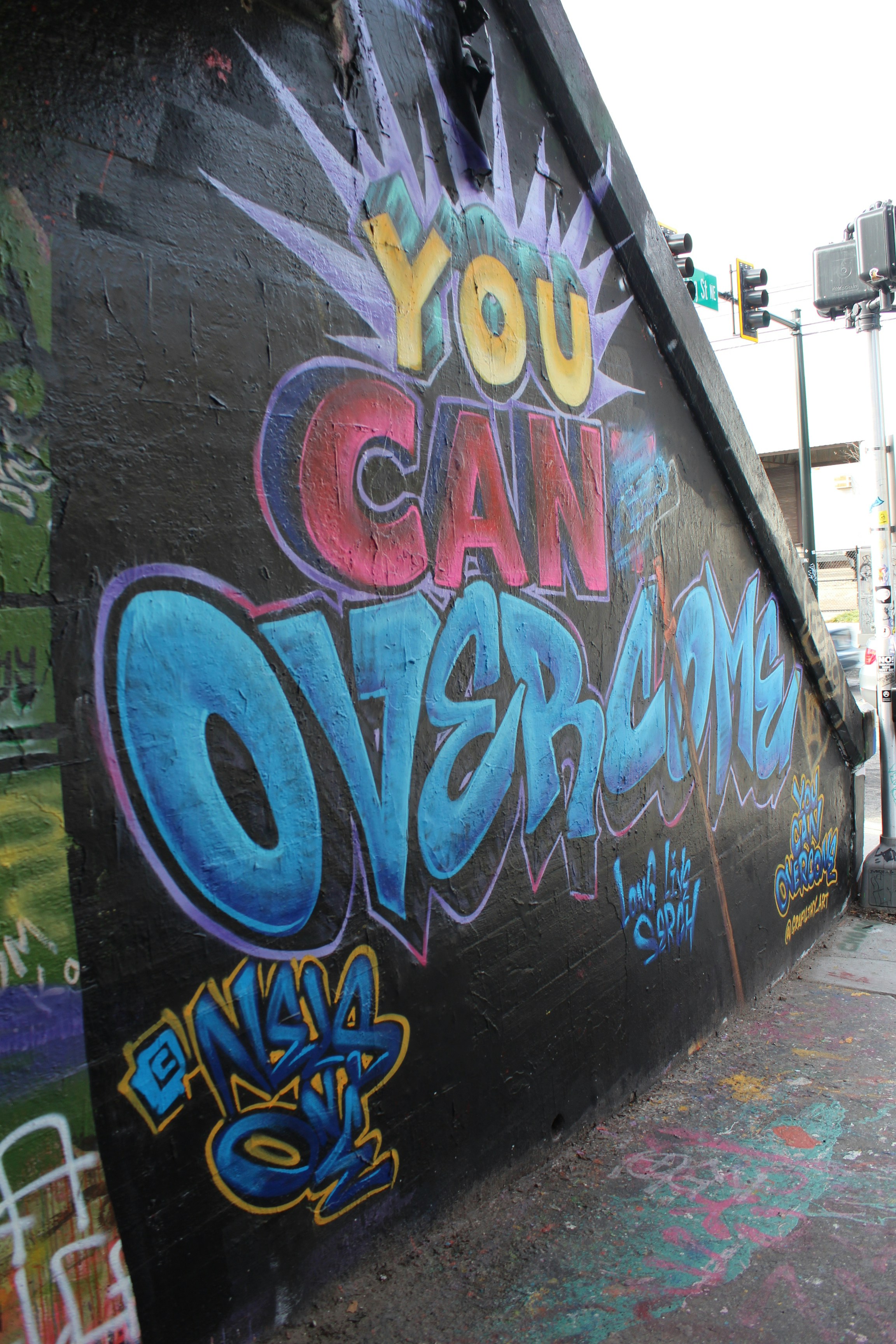
Understanding Challenges as Opportunities
Challenges are an inherent part of human existence, serving as an integral element of personal development and growth. They can manifest in various forms, such as emotional, physical, or situational challenges. The way individuals perceive and respond to these difficulties can significantly influence their life trajectory. Rather than viewing challenges as mere obstacles, reframing them as opportunities can foster resilience and inspire personal evolution.
Emotional challenges, for instance, may arise from loss, disappointment, or anxiety. These experiences, while painful, often compel individuals to develop coping mechanisms or seek support systems, ultimately enhancing emotional intelligence and interpersonal skills. Similarly, physical challenges, such as injuries or illnesses, can encourage individuals to adopt healthier lifestyles or discover latent strengths they were previously unaware of. Situational obstacles, like economic hardship or job loss, can spur creative problem solving, adaptability, and innovation.
A shift in mindset is crucial for recognizing challenges as opportunities. This cognitive reframing requires replacing negative thoughts with a more constructive perspective. For example, consider the story of J.K. Rowling, who faced various hardships, including poverty and rejection, while striving to publish her first book. Her experience illustrates that overcoming difficulties can lead to profound achievements—she ultimately transformed her challenges into a thriving career as one of the world’s most beloved authors.
Such narratives reinforce that challenges are not merely hindrances but are catalysts for personal growth. Individuals who emerge from adversities often possess deeper insights about themselves, a greater sense of empathy, and a more profound appreciation for life. By embracing challenges as opportunities, one can embark on a journey that fosters resilience and allows for transformative personal development.
Building Resilience: Key Strategies
Resilience is a vital quality that enables individuals to effectively navigate life’s challenges and setbacks. To build this important trait, several key strategies can be employed. A positive mindset is fundamental; cultivating optimism helps individuals view difficulties as opportunities for growth rather than insurmountable obstacles. This shift in perspective allows for a more constructive approach when faced with adversity, enabling the individual to respond with greater flexibility.
Another essential aspect of resilience involves developing strong problem-solving skills. When confronted with challenges, effective problem-solving empowers individuals to assess situations accurately and identify viable solutions. Engaging in critical thinking, brainstorming, and breaking down complex problems into manageable parts can enhance one’s ability to find resolutions. Additionally, practicing decision-making in low-stakes scenarios can prepare individuals to tackle more significant challenges confidently.
A robust support network plays a crucial role in fostering resilience. Surrounding oneself with supportive friends, family, and mentors can provide a sense of belonging and reassurance during difficult times. These relationships facilitate open communication, allowing individuals to share their struggles and seek advice when needed. It is also beneficial to participate in community activities or support groups, which can expand social connections and offer diverse perspectives on overcoming adversity.
Self-care practices are instrumental in cultivating resilience as well. Engaging in regular physical exercise, maintaining a balanced diet, and ensuring adequate sleep contribute to overall mental well-being. Mindfulness and relaxation techniques, such as meditation or yoga, can also enhance emotional regulation and reduce stress. Taking time for personal interests and hobbies fosters a sense of accomplishment and joy, reinforcing emotional strength.
By implementing these strategies—fostering a positive outlook, honing problem-solving abilities, nurturing relationships, and prioritizing self-care—individuals can enhance their resilience and better withstand the challenges life presents.
The Role of Failure in the Journey to Resilience
Failure is often perceived as a setback, an obstacle in the path of success. However, it plays an essential role in the journey toward resilience. Embracing failure can transform experiences that initially seem negative into profound opportunities for personal growth and strength. When individuals confront setbacks, they are presented with invaluable lessons that shape their character and future endeavors. This contrast between failure and resilience underscores the importance of facing challenges head-on and learning from them.
Many successful figures throughout history have embraced their failures, illustrating that these moments can be catalysts for determination and persistence. For instance, Thomas Edison famously stated that he did not fail; he simply found 10,000 ways that would not work before inventing the light bulb. This mindset reaffirms that failure, rather than being an endpoint, can be a necessary step towards success. Each misstep offers insight, allowing individuals to adjust their strategies and refocus their objectives, ultimately strengthening their resolve.
Additionally, failure can foster a growth mindset, as it encourages people to view their challenges as learning opportunities rather than insurmountable obstacles. When individuals accept that failure is an inevitable part of their journey, they cultivate resilience. This shift in perspective not only enhances personal development but also motivates others to push through their difficulties, knowing that their struggles do not define their potential for success.
In conclusion, recognizing the role of failure in the journey toward resilience is crucial. It is not merely about overcoming obstacles but also about embracing these challenges as integral components of the learning process. By learning from failures, individuals can develop a stronger, more adaptable spirit, equipped to face future challenges with confidence and tenacity.
Inspiration from Real-life Stories of Resilience
Throughout history, numerous individuals have faced extraordinary challenges that tested their limits, yet emerged stronger and more resilient. These real-life stories serve as a reminder of the human spirit’s capacity to endure and thrive despite adversity. One such example is that of Malala Yousafzai, a Pakistani education activist. After surviving an assassination attempt by the Taliban due to her advocacy for girls’ education, Malala not only recovered but also continued to champion education globally. Her unwavering dedication and courage have inspired millions, illustrating the power of resilience in creating positive change.
Similarly, the story of Nick Vujicic offers profound insight into overcoming challenges. Born without limbs, Nick faced immense physical and emotional obstacles. Instead of succumbing to despair, he developed a philosophy of life rooted in gratitude and purpose. Through motivational speaking, he shares his journey, emphasizing the importance of embracing one’s own uniqueness and turning adversity into strength. His narrative reinforces the idea that resilience is not just a trait but a skill that can be cultivated over time.
Another powerful example is that of Oprah Winfrey, who overcame a difficult childhood filled with trauma and poverty to become a media mogul and philanthropist. Oprah’s resilience is exemplified in her journey to self-acceptance and empowerment. She has frequently recounted her experiences, highlighting the development of emotional resilience through her struggles. Her insights demonstrate that facing challenges head-on can lead to significant personal growth and the realization of one’s potential.
These stories, along with many others, illustrate that resilience is not reserved for a select few but can be developed by anyone willing to confront their challenges. By learning from the experiences of those who have triumphed, we can cultivate our own resilience and inspire others along the way.
No responses yet