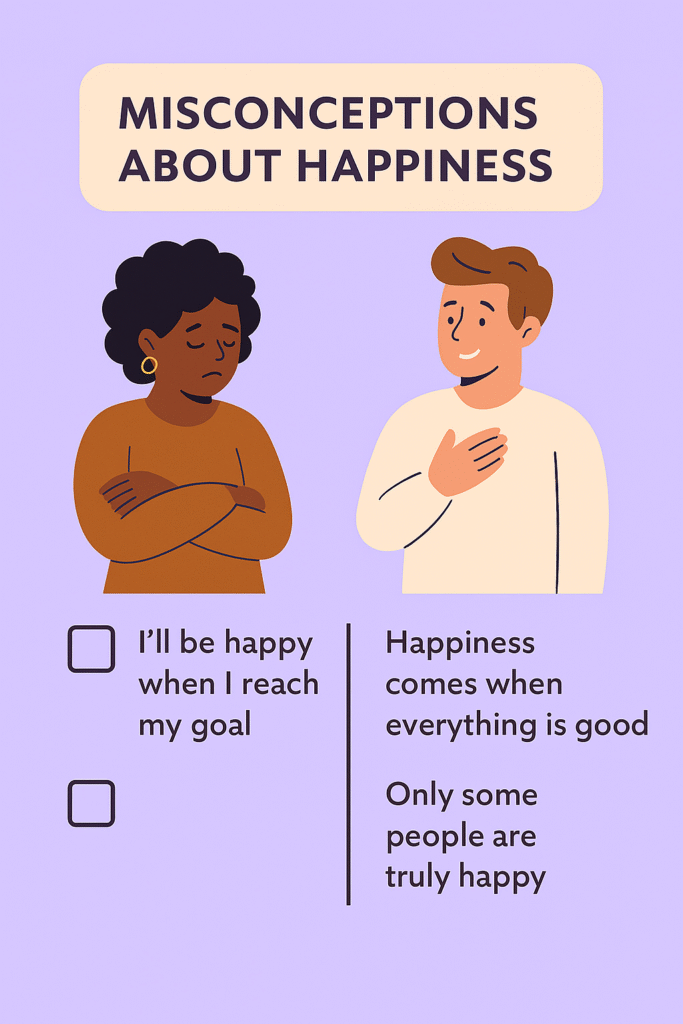
Understanding Happiness: What It Really Means
Happiness, a term frequently used yet often misunderstood, embodies a complex interplay of emotions and states of being. At its core, happiness is not merely the presence of joy but encompasses a wider spectrum that includes fulfillment and life satisfaction. Distinguishing between fleeting pleasures and lasting contentment is critical in this exploration. Fleeting pleasures, such as indulging in a favorite meal or purchasing a new item, provide temporary joy but may not contribute to long-term happiness. On the other hand, lasting fulfillment stems from deeper, intrinsic values such as relationships, personal growth, and a sense of belonging.
Societal perceptions of happiness are heavily influenced by materialism and external validation. Many individuals equate happiness with the accumulation of wealth, luxurious possessions, or social status. This narrow definition overlooks the nuanced and subjective nature of true joy. Research indicates that genuine happiness is more often linked to experiences rather than possessions—spending time with loved ones, pursuing passions, or engaging in meaningful activities contributes significantly to an individual’s sense of well-being.
Furthermore, it is essential to recognize that happiness varies from person to person. What brings joy and fulfillment to one individual may not have the same effect on another. Cultural, personal, and circumstantial factors all play a role in shaping our understanding of happiness. For some, happiness may be found in solitude and reflection, while others might find it in communal activities and social engagement. Therefore, acknowledging this variability is crucial in understanding happiness more profoundly.
In essence, reevaluating how we define and perceive happiness can lead to a more satisfying and fulfilling life. Emphasizing interpersonal connections, self-acceptance, and gratitude over material gain can shift our perspectives, allowing us to cultivate a more meaningful sense of joy.
Common Misconceptions About Happiness
Happiness is a complex and multifaceted emotion often clouded by prevalent misconceptions. One widespread belief is that “money buys happiness.” While financial security can alleviate stress and provide comfort, numerous studies indicate that beyond a certain income threshold, the correlation between wealth and happiness diminishes significantly. For instance, research conducted by psychologist Daniel Kahneman reveals that emotional well-being levels off after reaching an annual income that covers basic needs. This suggests that true happiness stems more from relationships, experiences, and a sense of purpose rather than material wealth.
Another common myth is the notion that “happiness is a constant state.” In reality, happiness is often seen as a fluctuating emotion influenced by various factors, including life events, relationships, and personal achievements. It is perfectly normal for individuals to experience ups and downs in their emotional states. Psychological research has shown that individuals may often misinterpret temporary feelings of sadness or stress as a lack of happiness, failing to recognize that such feelings are part of the human experience. Embracing the ebb and flow of emotions can lead to a more profound understanding of oneself and ultimately contribute to long-lasting joy.
Lastly, many people believe that “once I achieve my goals, I will be happy.” This misconception can lead to a perpetual cycle of chasing success without ever feeling fulfilled. Research indicates that individuals often have an unrealistic expectation that achieving a particular milestone will bring them sustained happiness. However, happiness is not merely a destination but a journey characterized by the process of growth and self-discovery. Recognizing that fulfillment comes from pursuing meaningful activities and cultivating healthy relationships may help redefine one’s perspective on happiness.
The Importance of Mindset in Experiencing Happiness
Mindset is a critical factor in shaping our experience of happiness. It encompasses our beliefs, attitudes, and perspectives, all of which profoundly influence how we interpret our experiences and interact with the world. Two vital components of a healthy mindset are gratitude and acceptance. Cultivating gratitude involves recognizing and appreciating the positive aspects of our lives, no matter how small. Research has demonstrated that individuals who regularly practice gratitude report higher levels of happiness. This practice can be as simple as keeping a gratitude journal or making it a routine to reflect on what we are thankful for each day.
Acceptance is another essential element of a positive mindset. It involves embracing our current circumstances and acknowledging our circumstances without judgment. Rather than resisting negative experiences or wishing for circumstances to be different, acceptance allows us to confront reality as it is. By practicing acceptance, individuals can reduce feelings of frustration and disappointment, thus enhancing their overall well-being. Resilience also plays a vital role in our ability to maintain a positive mindset. Resilient individuals can bounce back from setbacks and navigate life’s challenges more effectively. This adaptability is crucial in helping us sustain happiness, even in the face of adversity.
To cultivate a positive mindset, individuals can adopt practical strategies such as mindfulness meditation, which encourages present-moment awareness and alleviates stress. Engaging in self-compassion practices can also foster a more forgiving attitude towards oneself, promoting emotional well-being. By integrating these mental attitudes into our daily lives, we can transform our perception of happiness and create a more joyful existence, independent of external circumstances. The alignment of our mindset with happiness not only enriches our personal lives but also positively impacts those around us, fostering an environment conducive to joy.
Creating Your Own Path to Happiness: Actionable Steps
Embarking on a journey towards true happiness requires active participation and intentionality. To create your unique path, start by setting meaningful goals that resonate with your values. These goals should be realistic, yet challenging enough to foster a sense of achievement and growth. Break larger objectives into smaller, manageable steps. This structured approach not only makes progress measurable but also boosts motivation as you celebrate each minor victory along the way.
Equally important is the cultivation of nurturing relationships. Surrounding yourself with supportive and positive individuals can significantly enhance your happiness. Engage in open communication and foster connections through shared experiences. These relationships provide emotional support and encourage personal growth, contributing positively to your well-being.
Additionally, prioritize self-care as an essential component of your happiness journey. Allocate time for activities that rejuvenate your mind and body, whether it’s pursuing a hobby, exercising, or simply indulging in relaxation. Establishing a self-care routine allows you to recharge and strengthens your resilience against life’s challenges.
Mindfulness practices play a crucial role in fostering happiness as well. Engage in techniques such as meditation, deep-breathing exercises, or even mindful walking. Mindfulness encourages you to focus on the present moment, reducing anxiety about the future or regrets about the past. This awareness can lead to a deeper appreciation of life’s simple pleasures, reinforcing a positive outlook.
Ultimately, the journey to happiness is ongoing and unique to each individual. By setting clear goals, nurturing relationships, prioritizing self-care, and practicing mindfulness, you empower yourself to take charge of your happiness. Remember, happiness is a process that flourishes with deliberate actions and positive choices. Embrace this journey as an opportunity for personal growth and fulfillment.
No responses yet