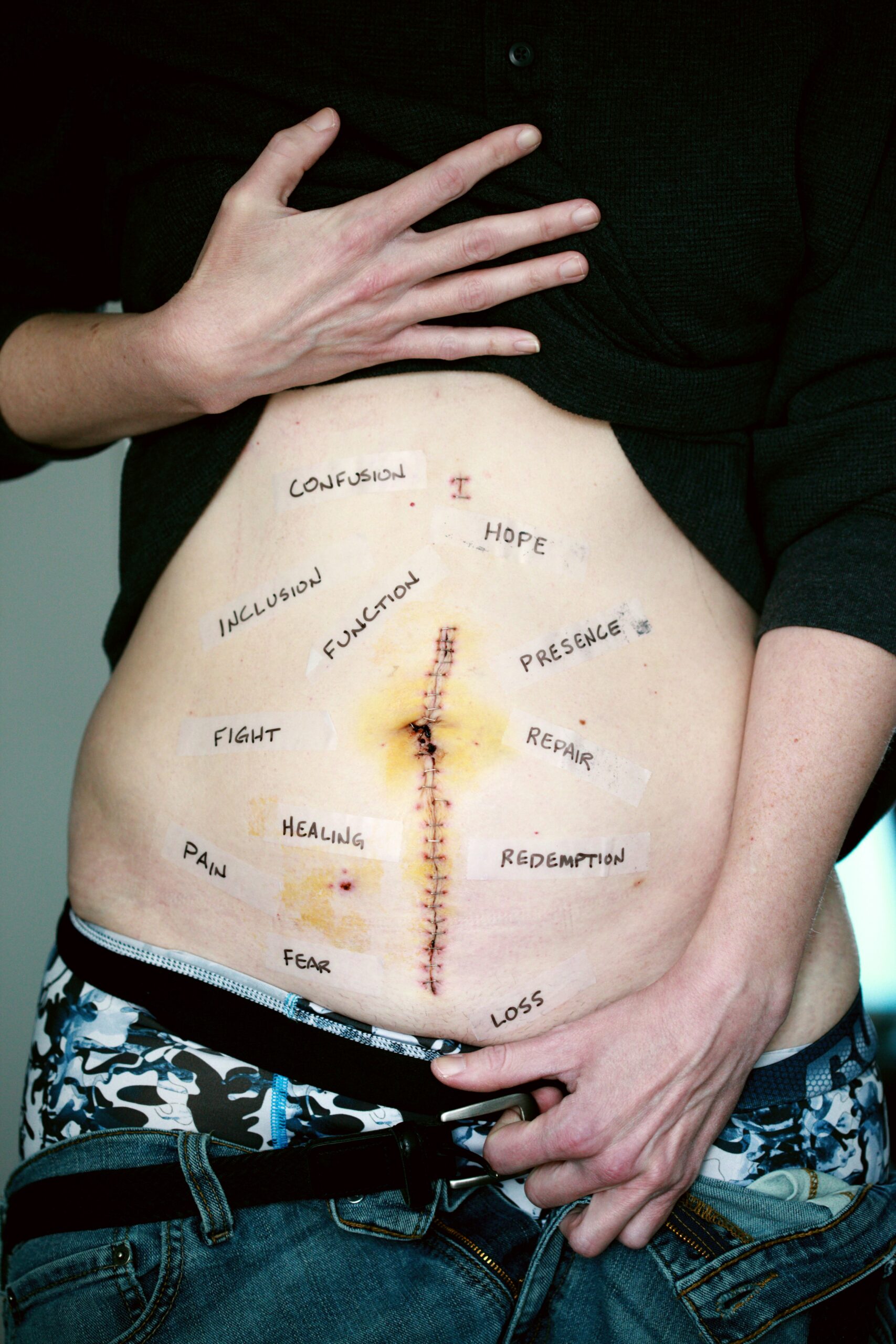
Understanding Healing: More Than Just Physical Recovery
Healing encompasses a multifaceted process that extends well beyond the realms of physical recovery. While many people associate healing primarily with returning to a state of physical well-being, it is crucial to acknowledge that emotional, mental, and spiritual aspects play an equally significant role. Each individual’s healing journey is unique, shaped by their personal experiences, beliefs, and context. The complexity of this process necessitates a broader perspective, allowing one to appreciate the diverse dimensions of healing.
Emotionally, healing may involve confronting and processing past traumas or emotional pains. For some, this might manifest as working through grief, loss, or even unresolved conflicts. People often find that addressing these emotional wounds can pave the way for deeper self-understanding and empowerment. Mentally, healing requires cultivating resilience and promoting positive thinking. Techniques such as mindfulness, cognitive behavioral therapy, and self-reflection can aid in transforming detrimental thought patterns, illustrating the mind’s pivotal role in overall well-being.
Furthermore, spiritual healing invites individuals to explore their values, beliefs, and sense of purpose. Whether through religious practices, meditation, or connection with nature, spiritual growth can foster a profound sense of inner strength. This holistic approach emphasizes that healing is not linear; it often requires navigating a combination of emotional, mental, and spiritual dimensions simultaneously.
As individuals reflect on their personal experiences, it becomes evident that the healing journey is deeply individualized. Recognizing that healing varies greatly can encourage a non-judgmental and compassionate attitude towards oneself and others. Embracing this notion cultivates greater self-awareness and personal growth, paving the way for a fulfilling and enriched life.
The Power of Forgiveness in the Healing Process
Forgiveness is a crucial component in the journey towards healing, often serving as a pivotal turning point for individuals grappling with past traumas and emotional burdens. The act of forgiving oneself and others can significantly alleviate the lingering feelings of anger, resentment, and guilt that often accompany painful experiences. By recognizing the weight that these emotions can hold, individuals can begin to navigate a path toward emotional freedom and renewed peace.
It is essential to understand that forgiveness does not absolve the person who harmed you of their actions; instead, it is a gift you give to yourself. By releasing the grip of negative emotions, you empower yourself to move forward, breaking free from the shackles of your past. Engaging in self-forgiveness is equally important, as many individuals tend to be their harshest critics. Learning to forgive oneself for perceived shortcomings or past mistakes can foster self-compassion and promote a healthier self-image.
Practical strategies can assist individuals on their forgiveness journey. Starting with self-reflection can help identify specific grievances that need addressing. Journaling about these experiences can serve as a means to articulate feelings and understand their impact on one’s mental state. Additionally, practicing empathy by attempting to see situations from the perspective of those who’ve caused pain can facilitate understanding and compassion, paving the way for forgiveness. Establishing clear boundaries can also protect oneself in situations where forgiveness may be tested.
As one engages in these practices, it becomes evident that forgiveness is not merely about condoning actions but rather about reclaiming one’s power and energy that was previously consumed by anger and hurt. In the process, individuals can discover emotional resilience, fostering a sense of inner strength that supports the overall healing experience.
Cultivating Resilience: Building Inner Strength Through Adversity
Resilience is often described as the capacity to recover quickly from difficulties; it is a fundamental aspect of personal development and healing. When we encounter challenges, whether they be personal struggles, professional setbacks, or emotional upheavals, these experiences can serve as catalysts for growth. Embracing adversity allows individuals to explore their inner strengths and develop a more robust sense of self, ultimately leading to a profound transformation.
One of the primary ways to cultivate resilience is through a shift in mindset. Viewing challenges as opportunities rather than obstacles can empower us to face our problems with renewed vigor. For instance, when confronted with a setback, consider reflecting on the lessons that can be learned from the situation. This contemplative approach encourages positive thinking and self-awareness, which are essential for building resilience.
Moreover, establishing a support system is crucial. Surrounding ourselves with friends, family, or mentors who provide encouragement fosters a sense of belonging and validation. Engaging openly in these relationships enables individuals to share their experiences and emotions, making it easier to process hardships and bounce back. The connection with others can, therefore, be a significant contributor to developing inner strength.
Setting achievable goals is another practical strategy for enhancing resilience. By breaking down larger challenges into manageable tasks, individuals can experience a sense of accomplishment, which reinforces their capability to overcome difficulties. This incremental approach not only boosts confidence but also reinforces one’s ability to adapt and flourish in the face of adversity.
Finally, self-care practices, such as mindfulness, exercise, and healthy eating, play a crucial role in bolstering resilience. Taking care of one’s physical and mental health equips individuals with the stamina required to withstand life’s challenges. In recognizing that adversity is an inevitable part of life, we can cultivate resilience to face it head-on, emerging from experiences more robust and self-aware than ever before.
Celebrating Progress: Recognizing the Small Wins on Your Healing Journey
The healing journey is a deeply personal and transformative experience, often marked by incremental changes that can easily go unnoticed. Recognizing and celebrating these small wins is crucial, as it nurtures a sense of accomplishment and reinforces the positive behaviors essential for further progress. Acknowledging even the tiniest steps forward helps individuals stay motivated and encourages continued commitment to their healing process. Each small victory serves as a reminder that healing is not a linear path; rather, it is a collection of moments that contribute to overall well-being.
Reflecting on achievements can take many forms and should be tailored to suit individual preferences. One practical idea for celebrating milestones is to maintain a gratitude journal. Documenting daily or weekly advancements, no matter how minor, allows individuals to develop a tangible record of their progress. This practice not only reinforces a positive mindset but also provides motivation when faced with challenges. Additionally, sharing these moments with trusted friends or family can enhance the feeling of connection and support, as they witness and celebrate your journey alongside you.
Another effective method is to set specific goals and reward oneself upon achieving them. Rewards can vary from indulging in a favorite pastime to treating oneself to a small gift. These rewards create a positive association with the healing process, making each success feel more significant. Consider utilizing visual reminders, such as a progress board, to mark achievements; seeing these milestones visually represented can further inspire resilience.
Ultimately, celebrating progress is not just about recognizing achievements; it is about cultivating a mindset of gratitude and positivity. Embracing these small victories fosters a deeper connection to the healing journey, helping individuals maintain focus and motivation as they continue their pursuit of inner strength. Each step forward, no matter the size, contributes significantly to the overall journey towards healing.
No responses yet