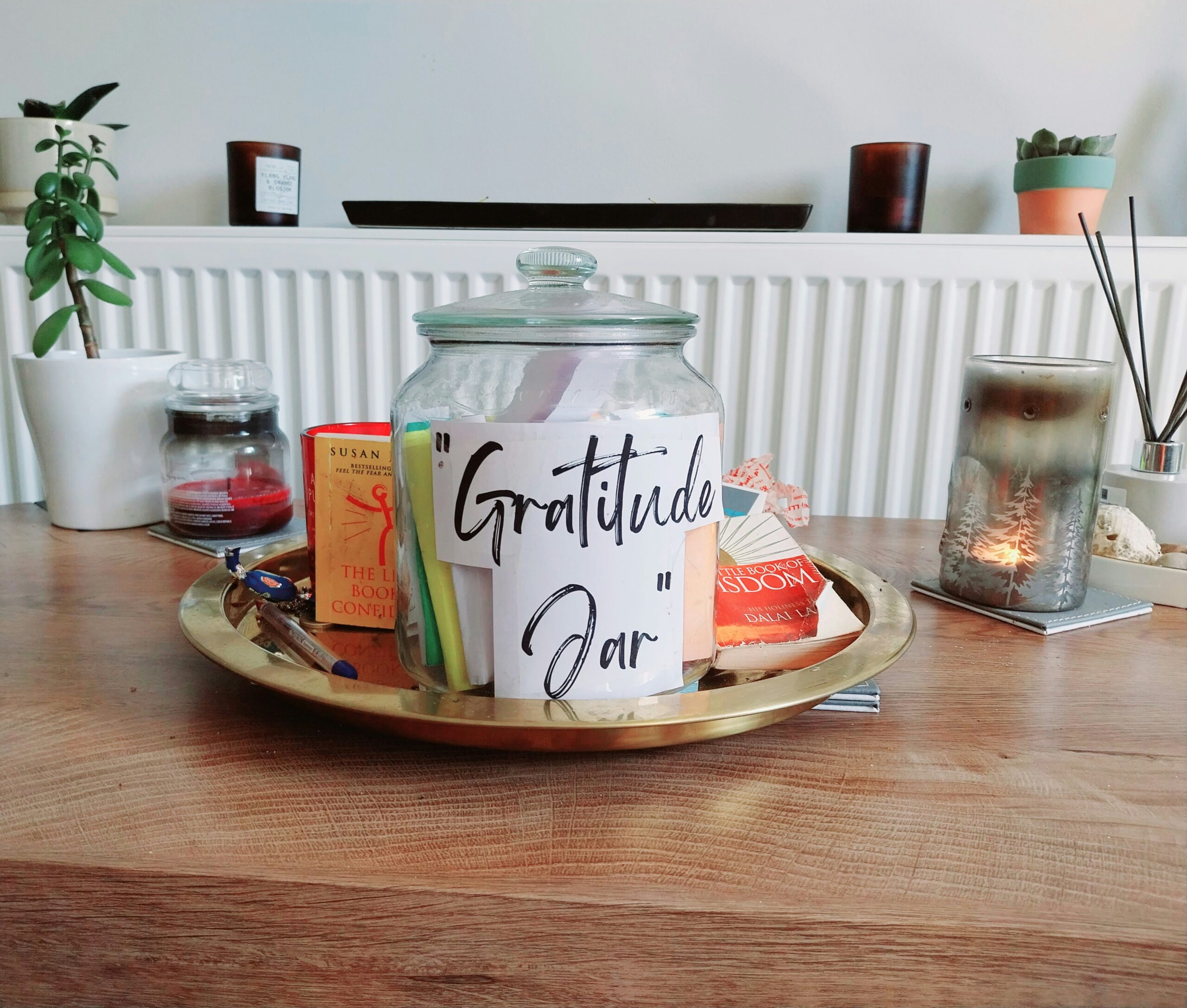
The Power of Gratitude
Gratitude is a powerful emotional state characterized by a sense of thankfulness and appreciation for the positive aspects of life. It transcends mere acknowledgment of good fortune, acting as a distinct emotional experience that can significantly enhance mental and emotional well-being. Numerous scientific studies have uncovered the profound impacts of gratitude on various facets of our lives, demonstrating its ability to elevate happiness levels while simultaneously reducing stress and anxiety.
Research reveals that individuals who regularly practice gratitude experience heightened levels of positivity and satisfaction. For instance, participants in studies who maintained gratitude journals reported improved mood states and increased feelings of connectedness with others. These findings suggest that expressing gratitude leads to a shift in focus from what is lacking in life to an emphasis on what is present, effectively cultivating a more optimistic perspective.
The psychological mechanisms underpinning gratitude are equally noteworthy. Engaging in gratitude prompts individuals to reflect on their experiences, triggering emotions associated with warmth and appreciation. This reflective practice can facilitate the development of resilience, allowing individuals to navigate life’s challenges more effectively. By acknowledging the support, kindness, and positive interactions received from others, individuals bolster their emotional toolkit and fortify their ability to cope with adversity.
Furthermore, gratitude can influence interpersonal relationships, fostering deeper connections and enhancing social support networks. When individuals express gratitude towards others, it promotes an atmosphere of mutual appreciation, strengthening bonds and fostering community. Consequently, this sense of belonging reinforces overall emotional health, creating a positive feedback loop that further encourages gratitude.
In essence, embracing gratitude not only enriches our own lives but also positively affects those around us, highlighting its profound significance in enhancing both individual happiness and community well-being.
Practical Ways to Incorporate Gratitude into Daily Life
Incorporating gratitude into daily life can create a profound impact on overall well-being. One of the most effective methods is to maintain a gratitude journal. Each evening, take time to jot down three things that brought joy or contentment during the day. This simple yet powerful practice can shift focus from negativity to the positive aspects of life, fostering a mindset of appreciation.
Another valuable technique is practicing mindfulness and reflection. Set aside a few moments each day to engage in mindful breathing or meditation. During this time, concentrate on the things for which you are grateful. This not only enhances awareness of the good in life but also cultivates a sense of peace, helping individuals navigate challenging situations with greater resilience.
Creating gratitude rituals can also be beneficial. For example, consider initiating a gratitude circle with family or friends, where each participant shares one thing they appreciate. This collective acknowledgment of gratitude can strengthen bonds and promote a positive communal atmosphere. Additionally, it encourages consistent practice, as individuals look forward to sharing their experiences regularly.
Expressing appreciation to others is another practical approach. Whether through simple gestures such as writing thank-you notes or verbalizing thanks during conversations, acknowledging the contributions of others fosters social connections and enhances emotional well-being. It cultivates a culture of gratitude, encouraging reciprocal appreciation among peers, friends, and family.
Incorporating these practices into daily routines not only nurtures a positive outlook but also enriches interactions. By consistently focusing on the good in life, individuals can create a more fulfilling and joyful existence. These techniques serve as foundational steps toward developing a deeply ingrained habit of gratitude, positively influencing mental health and overall happiness.
Savoring the Small Moments
In the fast-paced nature of modern life, it is often easy to overlook the small moments that contribute significantly to our overall well-being. Savoring these simple joys, such as the warmth of a freshly brewed cup of coffee, the vibrant colors of a sunset, or a genuine smile from a loved one, can foster a sense of gratitude that enhances our daily experience. By actively recognizing and appreciating these fleeting moments, we can train our minds to focus on the present and cultivate a more positive outlook on life.
One effective technique to embrace these small pleasures is through mindfulness practices. Mindfulness encourages individuals to engage fully with their surroundings, prompting them to notice details they might otherwise miss. For example, taking a moment to breathe deeply and appreciate the aroma of coffee brewing can transform a mundane task into a memorable experience. This heightened awareness not only allows for deeper enjoyment of simple pleasures but also reinforces the practice of gratitude.
Additionally, maintaining a gratitude journal serves as a powerful tool in this endeavor. By regularly recording small, everyday moments that spark joy or contentment, individuals can develop a habit of reflection that enhances their appreciation for life’s little gifts. Over time, this practice can shift one’s mindset, making it easier to recognize and savor small joys as they occur.
Furthermore, creating an environment that encourages the appreciation of small moments can promote a more fulfilling life. This might involve setting aside time for daily reflection, engaging in nature walks, or simply allowing oneself to be present during conversations with loved ones. Collectively, these strategies help individuals cultivate the skill of savoring small joys, which can significantly enhance their overall well-being and resilience in facing life’s challenges.
The Long-Term Benefits of Practicing Gratitude
Practicing gratitude is more than just a fleeting trend; it has profound and lasting benefits that can significantly improve various aspects of life. Research indicates that individuals who engage in regular gratitude practices report enhanced emotional well-being. By acknowledging and appreciating the positive elements in life, people cultivate a mindset shift. They transition from a focus on what is lacking to an appreciation of what is present, leading to increased overall happiness and reduced levels of depression.
Furthermore, gratitude plays a vital role in strengthening interpersonal relationships. When individuals express gratitude towards others, it fosters a sense of connection and trust. Testimonials from practitioners often highlight how simple acts of appreciation have led to stronger bonds with family and friends. For example, one individual noted that initiating a weekly gratitude sharing session with her family not only improved communication but also deepened emotional ties, creating a supportive environment where members felt valued and respected.
The benefits of gratitude extend to physical health as well. Studies have shown that individuals who maintain a consistent gratitude practice report fewer ailments and higher levels of physical activity. This phenomenon may be linked to the positive effects of gratitude on stress reduction, as lower stress levels are known to contribute to better physical health outcomes. For instance, participants in a gratitude-focused intervention demonstrated improved sleep quality and decreased symptoms of chronic illness.
As you reflect on your gratitude journey, consider the potential for personal growth that arises from this meaningful practice. The transformation that comes from consistently acknowledging the good in your life can unlock new levels of resilience and fulfillment. Embracing gratitude offers not just immediate joy but also long-term benefits that enrich both emotional and physical well-being.
No responses yet