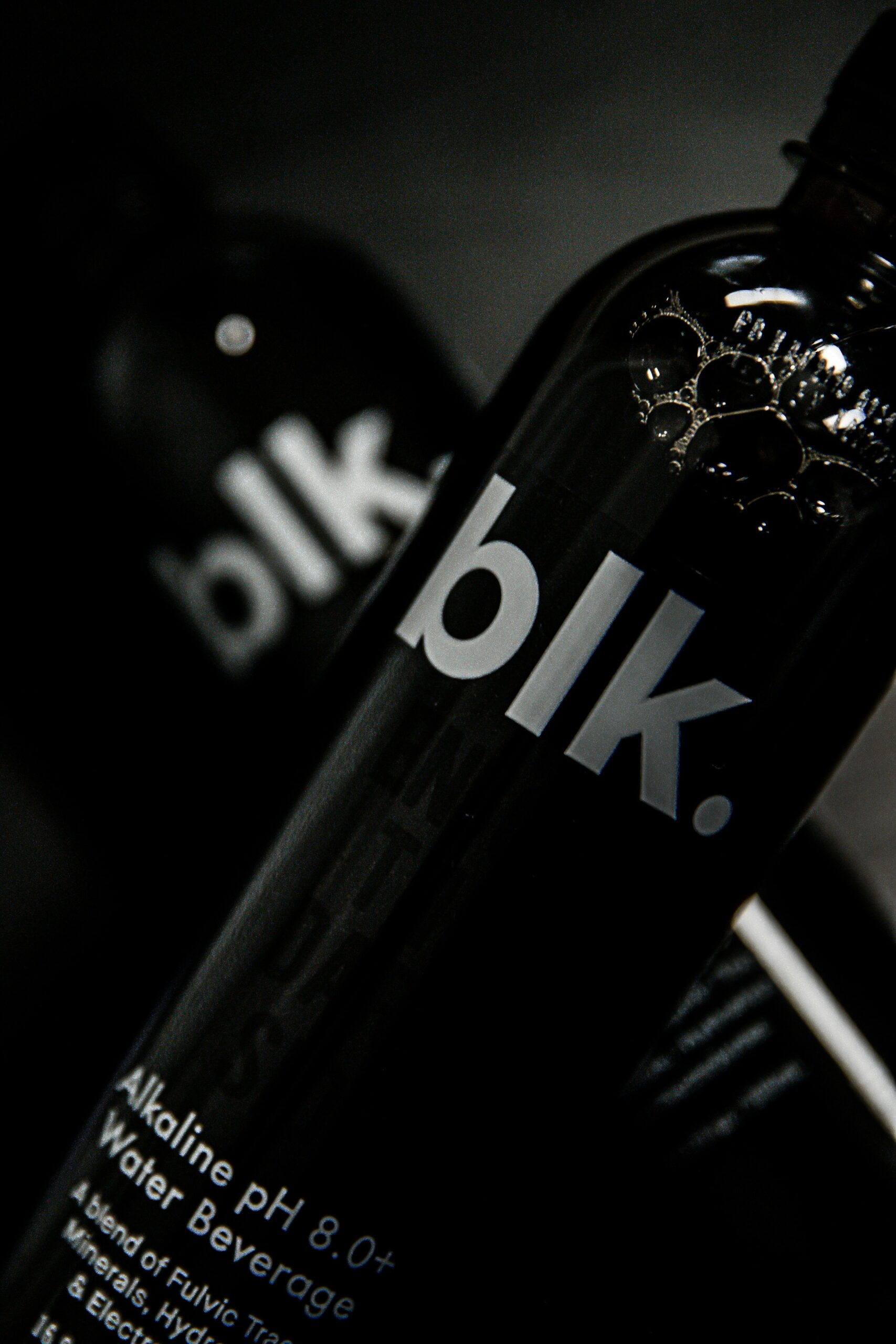
Introduction to Alkaline Water
Alkaline water has gained popularity as a health drink, touted for its unique benefits compared to regular tap or bottled water. The most significant characteristic of alkaline water is its elevated pH level, usually above 7, making it less acidic than regular water. Furthermore, alkaline water is often ionized, leading to the creation of micro-clustered molecules, which are believed to improve hydration.
Key Differences
One of the main differentiators between alkaline water and regular water is the oxidation reduction potential (ORP). Alkaline water has a negative ORP, which suggests greater antioxidant properties compared to regular tap or bottled water. This negative ORP indicates a higher likelihood of reducing oxidative stress in the body, promoting health benefits and contributing to overall wellness. In contrast, standard water typically has a neutral or positive ORP.
Benefits of Alkaline Water
The health advantages of alkaline water stem from its antioxidant properties. The micro-clustered molecules in alkaline water are thought to enhance absorption, allowing for better hydration and nutrient delivery in the body. This can be especially beneficial for active individuals or those seeking improved recovery after exercise. While some studies suggest that alkaline water may aid in maintaining a balanced body pH and imparting other health benefits, more research is necessary to substantiate these claims fully.
In conclusion, while both alkaline water and regular water have their unique characteristics, the benefits of alkaline water lie in its negative ORP and micro-clustered molecules, offering potential advantages for hydration and health.
No responses yet