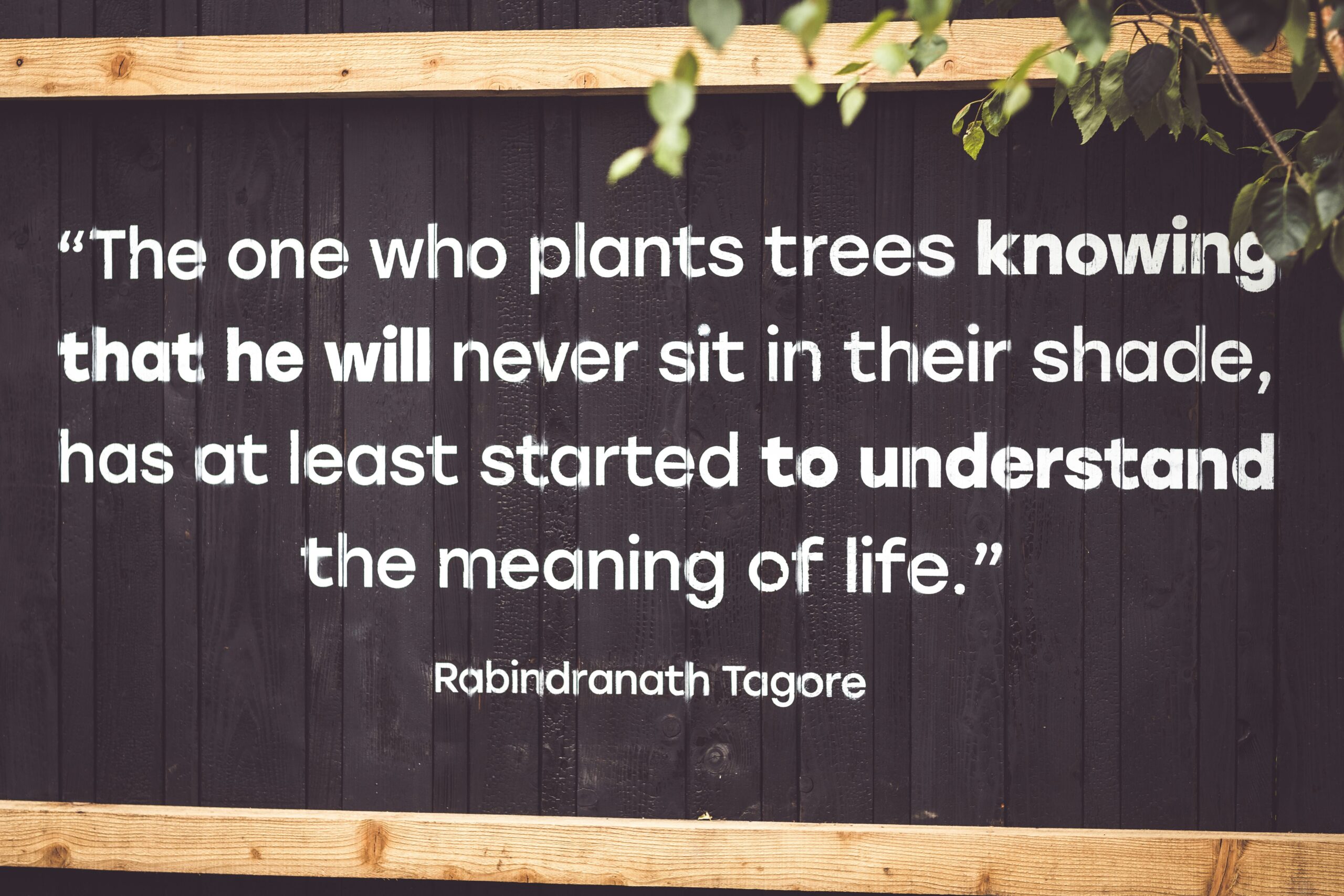
Understanding Sacrifice: Chosen vs. Compelled
Sacrifice is a complex concept that can manifest in various forms and motivations. In the realm of personal relationships and emotional well-being, understanding the distinction between chosen and compelled sacrifices is crucial. A chosen sacrifice is one made with intentionality and joy; it is an act that stems from genuine desire and willingness. For example, when a friend chooses to stay up late to help another friend prepare for an important presentation, this act is rooted in love and support. The sacrifice is made consciously and brings joy to the individual because it aligns with their values and strengthens the bond between friends.
Conversely, a compelled sacrifice arises from obligation or pressure, often leading to feelings of resentment. In such cases, the individual might feel that they have no choice but to act a certain way due to external expectations or social norms. For instance, when someone stays late at work to cover for a colleague without any appreciation or desire to do so, they are likely to feel burdened. The difference in emotional experience between willingly making a sacrifice and being compelled to do so is profound. While the former can enhance relationships and foster connection, the latter often generates feelings of frustration and resentment.
The mental and emotional toll of compelled sacrifices can be significant. They can lead to a sense of being undervalued and can erode trust in relationships. On the other hand, when individuals engage in chosen sacrifices, they often experience a boost in their own emotional health, cultivating an atmosphere of gratitude and mutual respect. Thus, the motivation behind a sacrifice significantly impacts not only the individual making the sacrifice but also the dynamics within the relationship itself, highlighting the importance of intentionality in acts of giving and support.
The Benefits of Joyful Sacrifice
Joyful sacrifice, the conscious choice to give up something of your own for the benefit of others, can yield profound advantages not only for the individual but also for the broader community. When individuals willingly make sacrifices rejoicing in the act, they often find that these decisions cultivate deeper relationships. Engaging in sacrifices can prove to serve as a bonding experience, strengthening existing connections or forging new ones. Whether through volunteering time, offering support to a friend in need, or prioritizing family needs over personal desires, the act of giving tends to foster a sense of mutual respect and appreciation.
Furthermore, joyful sacrifice contributes to a robust sense of community. By voluntarily engaging in acts that prioritize the well-being of others, individuals help build an environment rooted in empathy and cooperation. This collaborative spirit not only enriches personal experiences but also creates a ripple effect, encouraging others to adopt a similar mindset. Such communal involvement can instigate beneficial change, where collective efforts lead to shared goals and outcomes that are beneficial for all involved.
From a psychological perspective, the act of sacrificing joyfully can significantly enhance personal fulfillment. Embracing this practice can lead to increased resilience as individuals learn to navigate their challenges with a sense of purpose derived from their sacrifices. The notion of sacrifice from a place of joy rather than obligation reshapes the experience into one of empowerment. This redirection allows for a stronger connection to the values that nourish the spirit, fostering greater happiness and satisfaction in life.
In summary, the act of joyful sacrifice holds immeasurable benefits, fostering not only enriched personal relationships and community bonds but also providing significant psychological advantages. By choosing to sacrifice joyfully, individuals not only enhance their own lives but also positively impact those around them, laying the groundwork for a fulfilling existence.
Navigating Compelled Sacrifice: Overcoming Resentment
In the realm of decision-making, compelled sacrifices often present themselves as circumstances that individuals feel obligated to endure. These sacrifices can arise in various aspects of life, including personal relationships, professional commitments, and family responsibilities. Such obligatory actions frequently lead to feelings of resentment, underscoring the importance of addressing this emotional turmoil. To mitigate these feelings and empower personal agency, it is crucial to transition from compelled sacrifices to intentional choices.
One effective strategy for overcoming resentment is setting clear boundaries. Establishing limits helps in clarifying what one is willing to sacrifice and what may be non-negotiable. By communicating these boundaries to others, individuals can foster mutual respect and understanding, thereby reducing the likelihood of feeling compelled to make sacrifices that lead to resentment. This approach encourages an environment where sacrifices are seen as voluntary contributions to relationships rather than burdens.
Improving communication is another vital aspect of navigating compelled sacrifices. Engaging in open dialogues with those involved allows individuals to express their feelings and perspectives authentically. This process of sharing can illuminate underlying tensions and facilitate collaborative solutions, which can transform compelled sacrifices into collective decisions. By fostering transparent conversations, individuals can feel more empowered, reducing the feeling of resentment that often accompanies obligatory sacrifices.
Furthermore, reflecting on personal values and priorities can significantly influence how one perceives sacrifice. By understanding what truly matters, individuals can more intentionally choose sacrifices aligned with their core beliefs. This self-awareness serves to redefine the narrative surrounding sacrifices; it shifts the focus from obligation to choice, enhancing the overall sense of autonomy.
Finally, reframing mindset regarding compulsive sacrifices is essential. Rather than viewing them solely as losses, individuals can consider them as opportunities for growth and connection. This shift in perspective not only alleviates resentment but also cultivates joy, showcasing the potential of intentional sacrifice in promoting genuine fulfillment.
Cultivating a Lifestyle of Intentional Joyful Sacrifice
Cultivating a lifestyle centered around intentional joyful sacrifice begins with recognizing moments in daily life where giving can bring about personal and communal joy. One of the foundational steps is to embrace self-awareness. Understanding your motivations and values is crucial to identifying the types of sacrifice that resonate most with your sense of purpose. Take time for reflection; ask yourself what brings you genuine happiness and aligns with your core beliefs. This introspection will guide your sacrificial choices, allowing you to pursue acts that are fulfilling rather than burdensome.
Another practical tip is to seek out opportunities for joyful giving in your community. Volunteering for local organizations or helping a neighbor in need can provide a sense of purpose. Moreover, when you make a sacrifice that aligns with your passions, it can lead to a more profound connection with others. These moments of giving should not feel obligatory; instead, approach them with the mindset that such actions contribute positively to your life while benefiting others.
Inspiring those around you to adopt this mindset requires sharing your own experiences with joyful sacrifice. When you discuss how these acts have enriched your life, it can motivate others to consider similar paths. Creating an environment where sacrifice is viewed as an opportunity for growth rather than a burden fosters a culture of joy and generosity. Encourage friends or family to reflect on their motivations and challenge them to engage in acts of kindness that speak to their values. Together, small actions can snowball into a larger community committed to embracing joyful sacrifice as a lifestyle.
No responses yet