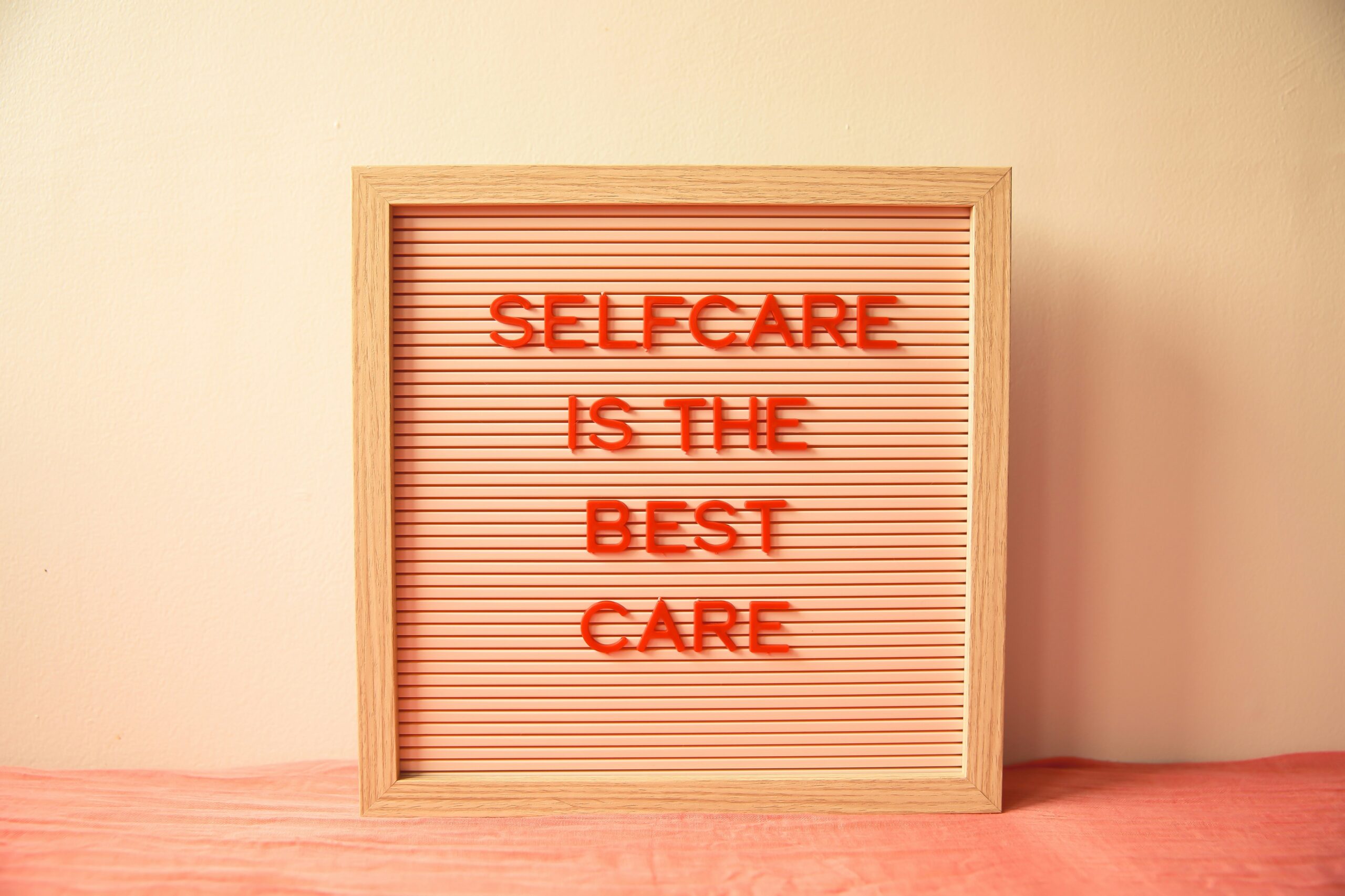
Understanding Needs and Desires
Every individual possesses a range of needs and desires that significantly impact their well-being and fulfillment in life. Broadly, these can be categorized into emotional and physical needs. Emotional needs may include the desire for love, connection, validation, and assurance, while physical needs encompass basic requirements such as food, shelter, safety, and health. Understanding these needs is crucial, for they inform our actions, decisions, and overall sense of happiness.
Unique experiences shape our individual needs and desires. For instance, someone who has faced abandonment might have a deeper emotional need for security and connection. Conversely, an individual raised in a supportive environment may seek validation through achievement rather than connection. This variance underscores the importance of recognizing our needs early on. When we fail to acknowledge them, they can escalate into demands that we can no longer easily manage. By identifying these needs proactively, we empower ourselves to foster healthier relationships and environments.
It is vital to distinguish between superficial desires and deeper emotional needs. Superficial desires, such as material possessions or social status, may provide momentary satisfaction but do not contribute to long-term fulfillment. Deeper emotional needs, on the other hand, cater to our innate requirements for authenticity and belonging. As we engage in self-awareness and self-reflection, we can better identify these fundamental needs. This process may involve journaling, meditation, or candid discussions with trusted friends or professionals, all of which can illuminate our true desires.
In understanding our needs more comprehensively, we open pathways for personal growth and emotional well-being, creating a more balanced and enriched life. Awareness of these needs cultivates a sense of empowerment, enabling us to navigate life’s complexities with clarity and intention.
The Consequences of Ignoring Your Needs
Neglecting one’s emotional and physical needs can lead to a myriad of repercussions that often escalate into significant challenges. When individual needs—whether they are related to emotional connection, physical health, or mental well-being—are overlooked, the initial signs are typically subtle. These signs may include persistent feelings of fatigue, irritability, or a general sense of unease. However, without proper attention, these feelings can spiral, resulting in more severe issues such as anxiety, stress, and even burnout.
For instance, a personal anecdote can offer insight into this phenomenon. Consider an individual who consistently prioritizes work over personal care. At first, they may feel satisfied with their accomplishments; however, over time, the lack of self-care might manifest as chronic exhaustion. This exhaustion can lead to a decrease in productivity and a heightened level of stress. As workloads increase and personal care continues to be sidelined, the individual may find themselves grappling with anxiety or even depression, emphasizing the snowball effect of ignoring one’s needs.
Moreover, the neglect of physical needs such as nutrition, exercise, and adequate sleep can trigger health issues ranging from minor ailments to severe conditions. When an individual sacrifices these essentials, it is not uncommon to encounter heightened levels of stress, which can lead to inflammation, cardiovascular issues, or other chronic health problems. These consequences further illustrate the importance of actively listening to and addressing one’s needs before they escalate into unmanageable scenarios.
Ultimately, this serves as a wake-up call for readers to recognize the significance of tending to their needs proactively. Fostering an awareness of one’s emotional and physical health lays the foundation for a more balanced existence, helping to mitigate the adverse outcomes associated with neglect.
Practicing Gentle Attention: Tips and Techniques
Cultivating gentle attention towards one’s needs can significantly enhance overall well-being. This practice encourages individuals to reconnect with themselves and fosters a healthier relationship with personal emotions and needs. One effective technique to nurture this gentle attention is through mindfulness. Mindfulness involves being fully present in the moment, and it can be practiced through meditation, deep breathing exercises, or simply by observing one’s thoughts and feelings without judgment. By integrating mindfulness into daily routines, individuals can become more aware of their needs, allowing for timely acknowledgment and care.
Journaling is another powerful tool for practicing gentle attention. Writing down thoughts, feelings, and daily experiences creates an opportunity for self-reflection. This practice not only helps individuals identify patterns in their needs but also provides a channel for expressing emotions that might otherwise go unrecognized. Setting aside a few minutes each day to jot down reflections can lead to greater self-awareness and a deeper understanding of personal desires and requirements.
Additionally, establishing scheduled self-care routines is vital in demonstrating gentle attention. By intentionally allocating time for activities that promote relaxation and joy—such as reading, exercising, or engaging in hobbies— individuals signal to themselves that their needs are valid and worthy of attention. Moreover, implementing boundaries becomes essential in this journey. Learning to say no and communicate limits to others can prevent overwhelm and ensure that time is dedicated to personal well-being.
Ultimately, practicing gentle attention does not need to feel burdensome; rather, it can be an empowering habit. By integrating mindfulness, journaling, scheduled self-care, and setting boundaries into daily life, individuals can nurture a more compassionate connection with their own needs, enhancing their overall quality of life.
Embracing the Journey of Self-Care
Self-care should not be regarded merely as an indulgence; rather, it encompasses a vital practice that addresses one’s personal needs holistically. By recognizing and prioritizing self-care, individuals can enhance their overall well-being and cultivate a more balanced life. Engaging in self-care routines allows individuals to reconnect with themselves on a deeper level, creating an environment where personal needs can be acknowledged and met before they escalate into serious demands. This proactive approach is essential in preventing burnout and fostering resilience.
Long-term benefits of a consistent self-care practice are manifold. When individuals commit to nurturing their physical, emotional, and mental health regularly, they are likely to experience reduced levels of stress, improved mood, and heightened productivity. These practices can include anything from daily mindfulness exercises to weekly activities that bring joy and relaxation. Over time, these small yet significant acts contribute to a more fulfilling life, enabling individuals to approach challenges with renewed vigor and clarity.
Furthermore, self-care often thrives in the context of community and support. Involving loved ones in this journey not only amplifies its benefits but also strengthens relationships. Families and friends can participate in wellness activities, facilitate open discussions about emotional needs, and provide encouragement throughout the self-care process. Such collective engagement fosters a supportive environment where everyone can flourish together.
As you reflect on your own self-care journey, consider these key insights: prioritize your needs, involve those around you, and remain gentle with yourself. Self-care is an ongoing journey—one that demands attention and intention. Recognizing its importance is the first step towards embracing a healthier and more balanced life, one that aligns with your values and aspirations.
No responses yet