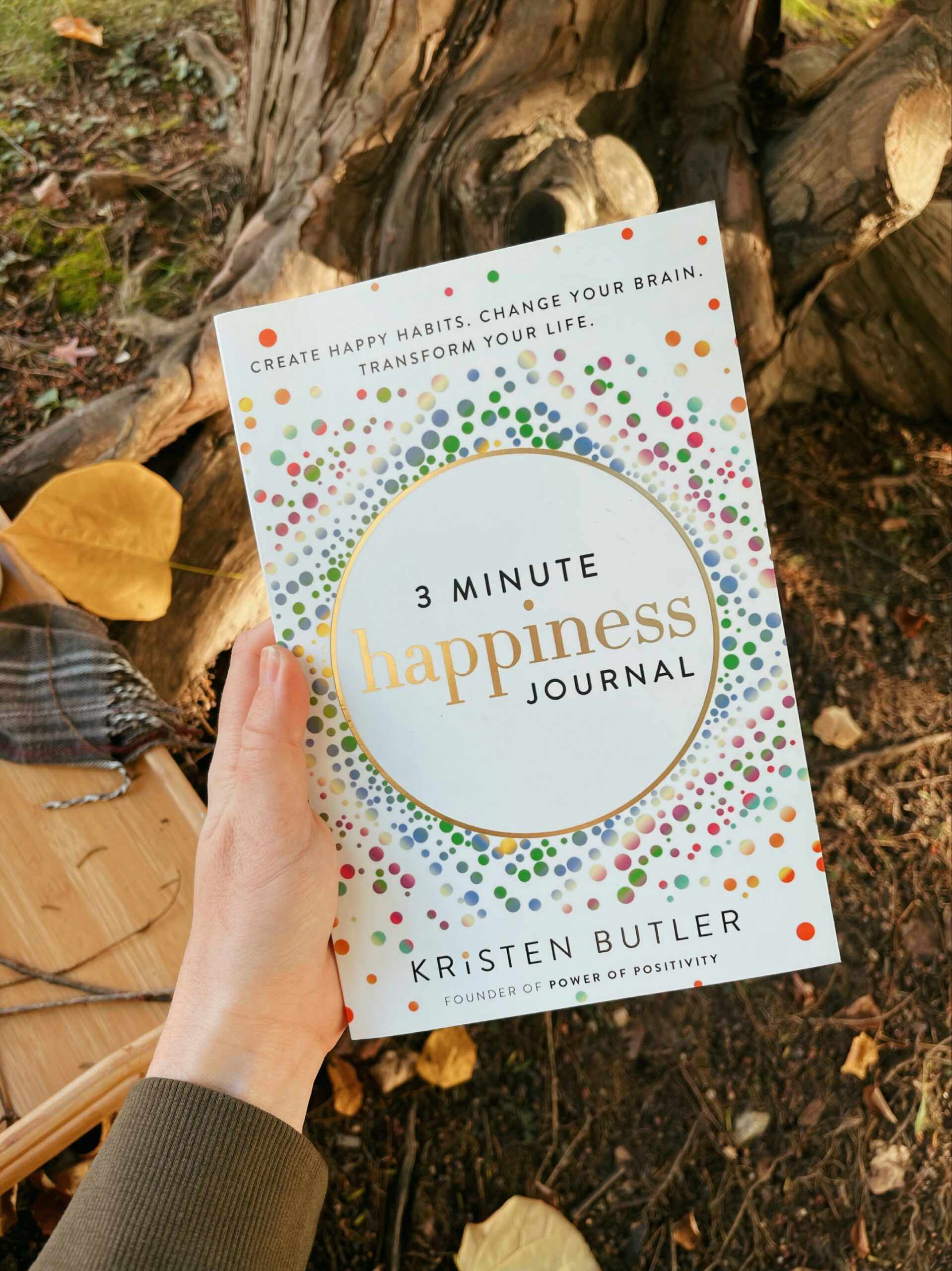
Introduction to Tiny Habits
Tiny habits are small, manageable actions that can lead to substantial improvements in our daily lives. The philosophy behind tiny habits is grounded in the understanding that significant changes do not necessarily require dramatic shifts; rather, they often emerge from consistent, incremental adjustments over time. The process of habit formation is intricately tied to psychological principles, one of which is the concept of consistency. When we engage in a tiny habit repeatedly, we create familiarity and reinforcement, enhancing the likelihood of maintaining that behavior long-term.
The beauty of tiny habits lies in their accessibility. They can be tailored to fit nearly anyone’s lifestyle, making it easier for individuals to integrate these practices into their daily routines. For example, a person might start by drinking a glass of water each morning as a means of improving hydration, or they may choose to take a short walk after lunch to increase daily activity levels. These small actions can accumulate, leading to significant changes in health, productivity, and overall well-being.
Moreover, the psychological impact of small actions cannot be overstated. When individuals experience success, even in minor tasks, it boosts their confidence and motivation to pursue further improvements. This positive reinforcement makes the practice of tiny habits not just feasible but also enjoyable. As we learn to celebrate these small victories, we pave the way for more substantial achievements.
In essence, the journey of transformation through tiny habits is one that emphasizes the power of minor changes. By focusing on the smallest of actions, anyone can begin to create a ripple effect that fosters greater well-being and personal growth. As we delve deeper into this guide, we aim to inspire individuals to embark on their own paths toward meaningful change through the incorporation of tiny habits into their daily lives.
The 10 Tiny Habits Explained
Incorporating tiny habits into one’s daily routine can significantly transform one’s life. Below, we will delve into ten small yet impactful habits, explaining their benefits and providing step-by-step instructions for integration.
1. Morning Hydration: Start your day by drinking a glass of water immediately after waking up. This habit aids in rehydration after hours of sleep, boosts metabolism, and enhances overall energy levels. To implement this, place a glass of water by your bedside to remind you.
2. Daily Gratitude Journaling: Spend five minutes each day jotting down three things you are grateful for. This practice can improve mental well-being by fostering a positive mindset. To incorporate this habit, choose a specific time each day, such as before bed, to reflect.
3. Mindful Breathing: Set aside two minutes daily for deep, mindful breaths. This habit reduces stress and promotes emotional clarity. To practice, find a quiet space, close your eyes, and focus on your breath, inhaling for four counts and exhaling for six counts.
4. One-Minute Declutter: Dedicate one minute a day to decluttering a small space in your home. This habit can lead to a more organized and calming environment. Set a timer and focus on clearing a specific area each day, gradually creating a tidy space.
5. Stretching: Incorporate five minutes of stretching into your morning routine. This promotes flexibility and reduces tension. You can easily follow a guided video or create your own routine to ensure consistency.
6. Reading for Pleasure: Commit to reading for just ten minutes each day. This habit nurtures the mind and expands knowledge. To establish this habit, choose a specific time, perhaps during your lunch break, to enjoy a book or article.
7. Tech-Free Moments: Allocate a few minutes each day to disconnect from electronic devices. This helps reduce digital fatigue and enhances presence in the moment. Set a daily reminder to consciously step away from screens.
8. Healthy Snacking: Make it a practice to replace one unhealthy snack with a healthier option each day. This encourages better eating habits. Keep healthy snacks, like fruit or nuts, readily available to facilitate this change.
9. Kindness Acts: Perform one small act of kindness daily, whether it’s offering a compliment or helping someone with a task. This fosters connections and positivity. Plan a small action for each day or remain open to spontaneous opportunities.
10. Early Bedtime Routine: Aim to go to bed 15 minutes earlier each night. This helps improve rest and overall health. Gradually shift your bedtime, allowing your body to adapt to the new schedule while establishing a calming pre-sleep routine.
These ten tiny habits, when practiced consistently, can lead to substantial improvements in various aspects of life. By understanding each habit and its benefits, individuals can effectively integrate them into their daily routines, fostering personal growth and well-being.
Overcoming Challenges in Habit Formation
Establishing new habits can often be a daunting task filled with numerous obstacles. One of the most common challenges faced during habit formation is a lack of motivation. To combat this, individuals can benefit from setting specific, measurable goals that provide a clear direction and purpose. Break larger goals into smaller, achievable milestones, allowing for a sense of progress and accomplishment, which can boost motivation levels significantly.
Another important factor in overcoming challenges in habit formation is accountability. Sharing your goals with friends, family, or colleagues creates a network of support and encouragement. Utilizing social platforms or habit-tracking apps can help maintain accountability, providing regular reminders and updates on your progress. Engaging in community forums dedicated to habit development can also serve as motivation, allowing you to celebrate successes with like-minded individuals.
Resistance to change is another common barrier. It’s essential to acknowledge that setbacks are a natural part of habit formation. When faced with resistance, it can be useful to reflect on the underlying reasons for this pushback. Identifying triggers that lead to a lapse in behavior can guide you in developing effective coping strategies. For instance, if stress is a common trigger, integrating relaxation techniques or stress management practices may help to mitigate its impact.
Moreover, understanding that forming new habits is a gradual process can alleviate pressure. Utilizing incremental changes allows individuals to adapt their routines without feeling overwhelmed. It is crucial to celebrate small victories along the way, as these celebrations foster a positive mindset and encourage persistence.
In conclusion, overcoming challenges in habit formation is achievable through structured goal-setting, accountability measures, and a reflective approach to resistance. By equipping oneself with the correct tools and strategies, persistence in developing and maintaining tiny habits can ultimately lead to profound and lasting changes in life.
Creating Your Personalized Habit Tracker
Establishing a personalized habit tracker is an effective strategy for monitoring progress and facilitating the successful implementation of tiny habits into your daily routine. A habit tracker provides a visual representation of your commitments, helping you stay accountable and motivated. There are various formats you can adopt to create your habit tracker, each tailored to your preferences and lifestyle.
For those who enjoy digital tools, a variety of smartphone applications are available, such as Habitica, Streaks, or Todoist. These apps often include customizable features, offering reminders and analytics that highlight your progress over time. Alternatively, if you prefer a hands-on approach, a journal or planner can serve as an effective medium for tracking your habits. You can incorporate charts or tables within your journal to check off tasks as they are completed, providing a satisfying sense of accomplishment.
The psychological benefits of tracking habits cannot be understated. Research indicates that individuals who regularly monitor their habits tend to experience improved adherence due to heightened awareness and self-reflection. When you visually acknowledge progress, the motivation to maintain those habits is often reinforced, creating a positive feedback loop. Furthermore, recognizing your achievements, no matter how small, promotes a sense of satisfaction which is crucial for long-term behavioral change.
Setting achievable goals is a cornerstone of effective habit tracking. Begin by identifying specific, measurable, attainable, relevant, and time-bound (SMART) objectives for each tiny habit. This clarity will ensure that you remain focused and committed to your journey. As you progress, celebrate milestones, whether they involve maintaining streaks or successfully integrating new habits into your routine. Tracking your tiny habits not only provides insights into your progress but also enhances your overall experience, contributing to a transformative lifestyle journey.
Unlock your potential and embark on this adventure: https://youtu.be/uXH3oL0tn3I?si=FNz7zDxchvBLwEEH
No responses yet